
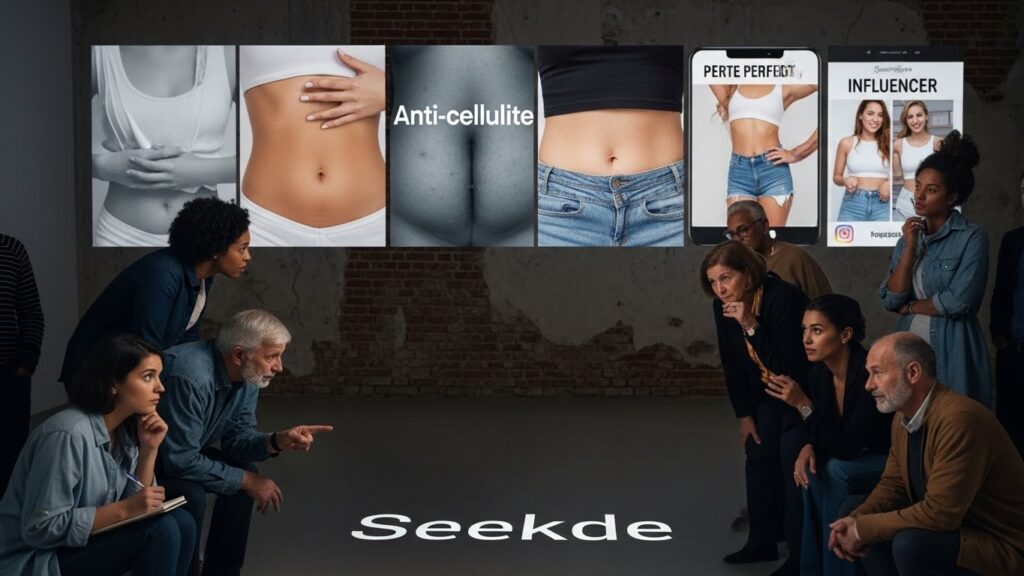
Cellulite is a term that evokes various emotions, from embarrassment to frustration. Many people associate it with flaws, viewing those dimples and bumps as imperfections that need correcting. Yet, cellulite is an entirely natural phenomenon that affects individuals of all shapes and sizes. Despite this reality, the stigma surrounding it persists, largely fueled by media portrayals.
Our perception of beauty has been shaped significantly by what we see on screens—from glossy magazine covers to Instagram feeds brimming with flawless images. This blog will delve into the intricate relationship between media and our views on cellulite. We’ll explore how different types of media contribute to its stigma and discuss the impact social platforms have on body image.
As conversations around body positivity gain momentum, it’s crucial for us to reassess these perceptions. Let’s embark on a journey toward embracing authenticity while rejecting unrealistic beauty standards—because everyone deserves to feel comfortable in their own skin!
The Role of Media in Shaping Our Perception of Cellulite
Media plays a powerful role in shaping our perceptions of beauty, often dictating what is deemed acceptable or desirable. Cellulite has been unfairly demonized in magazines, advertisements, and even films. Images are frequently airbrushed to perfection, creating an illusion that many aspire to but few can achieve.
The portrayal of flawless skin contributes to unrealistic standards. These images not only affect how we view ourselves but also how society perceives others. When cellulite is shown as something embarrassing or shameful, it reinforces negative feelings among those who experience it.
TV shows and commercials often focus on the “ideal” body type while ignoring the natural variations present in real life. This constant exposure shapes our beliefs about normalcy and desirability. As viewers consume this content daily, they internalize these messages without even realizing it—a cycle that perpetuates stigma around perfectly human traits like cellulite.
Types of Media That Contribute to the Stigma
Television and movies often portray an unrealistic standard of beauty. Characters with flawless skin and toned bodies dominate the screen, leaving little room for diversity in body types.
Magazines contribute significantly by airbrushing images to perfection. The glossy pages celebrate unattainable ideals, reinforcing a damaging narrative around cellulite as something shameful.
Advertising also plays its part. Commercials frequently promote products that promise to eliminate imperfections rather than embracing them. This sends a clear message: anything less than perfect isn’t acceptable.
Even music videos depict models with seemingly perfect physiques. These visuals create an environment where cellulite is stigmatized and hidden from view, perpetuating feelings of inadequacy among many viewers.
All these forms of media shape societal expectations and influence personal perceptions about body image, particularly regarding cellulite.
How Social Media Affects Our View on Cellulite
Social media plays a pivotal role in shaping our views on beauty and body image. Platforms like Instagram and TikTok are flooded with images that often showcase unattainable standards. Filters, editing tools, and strategic angles can create an illusion of perfection.
When it comes to cellulite, the narrative is skewed. Influencers frequently highlight flawless skin while conveniently omitting their insecurities or imperfections. This promotes a narrow definition of beauty that many feel pressured to conform to.
The constant comparison leads individuals to scrutinize their own bodies harshly. Seeing curated posts can trigger feelings of inadequacy regarding natural features like cellulite. Instead of fostering acceptance, social media sometimes amplifies self-doubt.
However, there’s also a growing movement pushing back against this trend. Many users are now sharing unfiltered images that embrace real bodies—cellulite included—sparking conversations about authenticity and acceptance in the face of unrealistic ideals.
The Push for Body Positivity and Acceptance
The body positivity movement is gaining remarkable traction. It champions the idea that all bodies, regardless of shape or size, deserve love and acceptance.
This shift encourages people to embrace their unique features, including cellulite. Instead of feeling ashamed, individuals are learning to celebrate their natural form.
Advocates share powerful messages online and offline about self-love and authenticity. They challenge the conventional beauty standards often perpetuated by media. The narrative is changing.
More influencers are showcasing unfiltered images on social platforms. This visibility helps dismantle harmful stereotypes associated with cellulite and imperfections.
People are beginning to realize that beauty isn’t one-size-fits-all. Acceptance comes when we stop comparing ourselves to curated ideals and start embracing our individuality.
By promoting diverse representations in fashion and advertising, society gradually moves towards a more inclusive understanding of beauty.
Tips for Changing Your Perspective on Cellulite
Shift your mindset by recognizing that cellulite is a natural occurrence. Nearly 90% of women experience it at some point. Understanding this can help normalize the conversation around body texture.
Practice self-compassion. Instead of criticizing yourself for having cellulite, focus on what your body does for you daily. Celebrate its strength and resilience.
Surround yourself with positivity. Engage with content that promotes acceptance and diversity in body images. Seek out influencers or communities that challenge societal beauty norms.
Try to redefine beauty standards in your mind. Think about qualities beyond appearance—like kindness, intelligence, and creativity—that truly define a person’s worth.
Experiment with mindfulness techniques like meditation or journaling to help cultivate a healthier relationship with your body. Embrace every part of you as essential to the unique story that is yours alone.
Embracing Authenticity and Rejecting Unrealistic Beauty Standards
Embracing authenticity means celebrating who you are, imperfections and all. It’s about recognizing that real beauty isn’t flawless but rather the stories etched on our skin.
Rejecting unrealistic standards requires a shift in mindset. Instead of chasing after an ideal shaped by filtered images, we can focus on self-acceptance. This journey is deeply personal and varies for each individual.
When we prioritize genuine representation over polished perfection, we invite others to do the same. Sharing unfiltered moments fosters connection and vulnerability within communities.
Remember, your worth isn’t determined by societal norms or fleeting trends. Each mark tells a story of resilience or joy, contributing to your unique narrative.
Let us challenge those narrow definitions of beauty together. By embracing ourselves fully, we inspire others to find comfort in their own reflections as well.
Conclusion
The conversation surrounding cellulite is evolving. While media has significantly shaped our perceptions and often perpetuated unrealistic standards, there’s a growing movement towards embracing body positivity. The rise of platforms that celebrate diverse body types provides a refreshing counter-narrative to the traditional portrayals of beauty.
As individuals, we hold the power to redefine how we view ourselves and others. By challenging harmful stereotypes and rejecting negative imagery found in various forms of media, we can foster an environment where all bodies are celebrated. Embracing authenticity allows us to appreciate our uniqueness without succumbing to societal pressures.
It’s about shifting focus from perfection to acceptance—recognizing that every mark tells a story worth sharing. With each step towards self-love and community support, we contribute to a world where cellulite is just another part of who we are; it does not define us or dictate our worth. Seeking empowerment through unity will pave the way for future generations to appreciate themselves fully—imperfections included.