
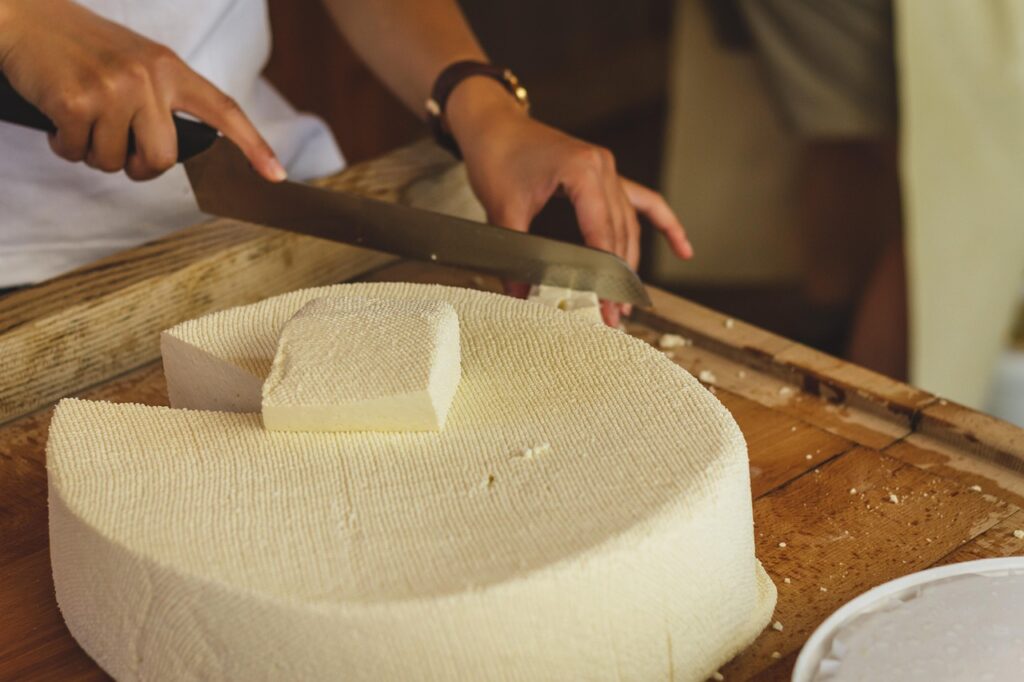
Step aside, cheddar and brie! There’s a new cheese in town that’s ready to steal the spotlight: Masgonzola. This creamy, flavorful delight is not just a treat for your taste buds; it brings a rich history and unique characteristics that set it apart from other cheeses. If you’re on the hunt for something unforgettable to elevate your culinary creations, look no further than this extraordinary cheese. Join us as we explore the delightful world of Masgonzola and discover why it’s an absolute must-try for cheese lovers everywhere.
The history and origin of Masgonzola cheese
Masgonzola cheese boasts a rich and intriguing history, hailing from Italy’s Lombardy region. Its roots trace back to the late 19th century when artisan cheesemakers began experimenting with local milk. Originally crafted in small villages, Masgonzola quickly gained popularity due to its creamy texture and distinct flavor profile. The name itself is derived from a combination of “Gorgonzola,” reflecting its blue-veined cousin, and the traditional methods used in its production. Over time, this cheese evolved into various styles, each showcasing unique characteristics influenced by regional climates and milking practices. Today, it represents not just tradition but also innovation in cheese-making techniques that respect age-old recipes while embracing modern tastes. As you explore Masgonzola’s history, you’ll find it’s more than just a culinary delight; it embodies the passion of artisans dedicated to their craft across generations.
What sets Masgonzola apart from other cheeses?
Masgonzola stands out due to its unique creamy texture and rich flavor profile. Unlike many blue cheeses, it boasts a milder taste that appeals to both novices and connoisseurs alike. The distinct marbling of blue mold throughout the cheese creates an eye-catching appearance. This visual allure is complemented by its buttery mouthfeel, making each bite a delightful experience. Crafted using traditional methods, Masgonzola often incorporates high-quality milk from local farms. This farm-to-table ethos enhances its freshness and quality, setting it apart from mass-produced varieties. Another noteworthy aspect is its versatility in cooking. Whether crumbled atop salads or melted into risottos, this cheese elevates any dish with its unique character. The artisanal approach taken during production ensures an authentic flavor that speaks to heritage and craftsmanship unlike other more commercialized cheeses on the market today.
Nutritional benefits of Masgonzola cheese
Masgonzola cheese is more than just a delicious treat; it also offers several nutritional benefits. Packed with protein, this cheese supports muscle growth and repair. Just a small serving can add valuable nutrients to your diet. It’s rich in calcium, essential for maintaining strong bones and teeth. This makes Masgonzola a great choice for those looking to boost their bone health. Additionally, Masgonzola contains beneficial fats that can help support heart health when consumed in moderation. These healthy fats may assist in reducing bad cholesterol levels. The presence of probiotics adds another layer of advantage. These live bacteria contribute to gut health, aiding digestion and enhancing overall wellness. Plus, the unique flavor profile means you might use less compared to other cheeses while still enjoying its creamy goodness—making it an excellent way to satisfy cravings without overindulging on calories.
How to incorporate Masgonzola into your meals
Masgonzola is a versatile cheese that can elevate many dishes. Its creamy texture and bold flavor make it an excellent addition to salads. Crumble some over a fresh arugula salad with pears and walnuts for a delightful contrast. For pasta lovers, consider mixing Masgonzola into your favorite sauce. It melts beautifully, adding richness to fettuccine or penne dishes. Pair it with sautéed mushrooms or spinach for extra depth. Don’t forget about pizzas! A sprinkle of this cheese before baking creates an unforgettable topping experience. The creaminess pairs well with figs or prosciutto for a gourmet twist. You can also use Masgonzola in dips and spreads. Blend it with Greek yogurt, garlic, and herbs for a delicious dip perfect for entertaining guests at your next gathering. Experimenting with Masgonzola opens up new culinary possibilities that are sure to impress anyone at the table.
Pairing Masgonzola with wine and other foods
Masgonzola’s rich, creamy texture makes it an excellent companion for various wines. A bold red, like a Cabernet Sauvignon, complements its strong flavors beautifully. The tannins in the wine balance the cheese’s creaminess. For white wine lovers, a crisp Chardonnay works wonders too. Its acidity cuts through Masgonzola’s richness while enhancing its nutty notes. When it comes to food pairing, consider fresh fruits such as pears and figs. Their sweetness contrasts with Masgonzola’s savory profile perfectly. Nuts are another delightful match. Roasted walnuts or hazelnuts add crunch and depth to any dish featuring this cheese. Don’t overlook artisan bread or crackers to serve alongside your Masgonzola spread. They provide a satisfying base that highlights the cheese’s unique character without overpowering it. Enjoy experimenting with these combinations!
Where to find and buy authentic Masgonzola cheese
Finding authentic Masgonzola cheese can be a delightful adventure. Many artisanal cheese shops carry this exquisite Italian delicacy, so start your quest there. Look for local markets that specialize in gourmet products; they often have a selection of imported cheeses. Online retailers are another excellent option. Websites dedicated to fine foods frequently stock Masgonzola and provide detailed descriptions about the sourcing and production methods. Don’t forget to check out specialty grocery stores with an international section. They may surprise you with their offerings, including various types of Masgonzola. If you’re feeling adventurous, consider visiting Italy directly or finding a reputable importer who specializes in Italian cheeses. This ensures you get the real deal while supporting small producers at the same time. Always ask for samples before purchasing—it’s a fantastic way to discover your preferred flavor profile!
Recipes featuring Masgonzola as a star ingredient
Masgonzola is a versatile cheese that shines in various recipes. One delightful option is Masgonzola-stuffed mushrooms. The creamy texture of the cheese complements the earthy flavor of the mushrooms perfectly. For pasta lovers, try a rich Masgonzola sauce. Simply melt it with cream and garlic to create an indulgent coating for your favorite noodles. It adds depth without overwhelming other flavors. If you’re looking for something lighter, consider a salad topped with crumbled Masgonzola. Pair it with fresh greens, walnuts, and pear slices for an inviting balance of sweet and savory. Grilled pizzas are another fantastic way to showcase this cheese. Spread some on dough before adding toppings like figs or prosciutto; then bake until bubbly. Each recipe highlights Masgonzola’s unique character while elevating familiar dishes into something extraordinary.
Conclusion
Masgonzola is not just a cheese; it’s an experience waiting to be savored. With its rich history and distinct flavor, this delightful cheese elevates any dish it’s added to. From its unique aging process to the nutritional benefits that come with each bite, Masgonzola offers something for everyone. Integrating Masgonzola into your meals can open up a new world of culinary possibilities. Whether you’re sprinkling it on salads or incorporating it into creamy pasta dishes, the versatility of this cheese knows no bounds. When paired with wine or other foods, Masgonzola shines even brighter, creating unforgettable taste sensations. Finding authentic Masgonzola may require some effort, but the reward is worth every moment spent searching. Once you’ve tasted its remarkable flavors and health benefits firsthand, you’ll understand why it’s becoming a favorite among food enthusiasts everywhere. So go ahead and indulge in the world of Masgonzola—your palate will thank you!
Related Articles
- BMVX4 Review: Is This the Ultimate Vehicle for Tech Enthusiasts?
- StyleInventure com: Your Ultimate Guide to Fashion Inspiration
- TransDS Explained: Key Concepts and Benefits for Businesses
Editorial Note: This article was researched and written by the Adopt A Glider editorial team. We fact-check our content and update it regularly. For questions or corrections, contact us.
Related read: Louisa Kochansky: A Journey Through Her Inspiring Life
Related read: Cellulogia: The Science Behind a Revolutionary Skincare Trend.