
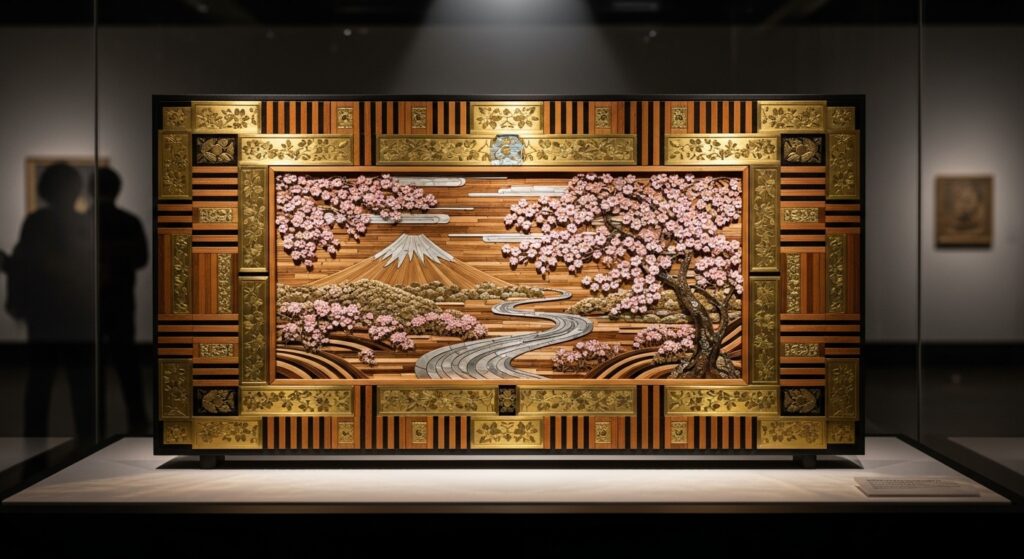
Soutaipasu is more than just a craft; it’s a journey through time, culture, and artistry. Rooted in tradition, this unique form of craftsmanship captures the essence of generations past while inspiring modern creativity. As you delve into the world of Soutaipasu, you’ll discover not only its rich history but also the meticulous techniques and heartfelt stories behind each piece. From vibrant textiles to intricate designs, Soutaipasu invites us all to appreciate beauty in handmade artistry. Join us as we explore this captivating field where heritage meets innovation!
The History and Origins of Soutaipasu
Soutaipasu traces its roots to the heart of ancient communities, where artisans honed their skills over centuries. This craft emerged as a means of expression and storytelling, woven into the very fabric of cultural identity.
Historically, Soutaipasu was not just about creating beautiful items; it embodied traditions passed down through generations. Each piece reflects local customs, beliefs, and narratives that have shaped societies.
As trade routes expanded, influences from neighboring regions began to blend with traditional methods. This fusion birthed innovative designs while preserving essential techniques.
Over time, Soutaipasu became synonymous with craftsmanship that values both quality and heritage. Today’s artisans strive to keep this legacy alive by honoring age-old practices while infusing contemporary flair into their creations.
Traditional Techniques Used in Soutaipasu Craftsmanship
Soutaipasu craftsmanship is steeped in tradition, with techniques passed down through generations. Artisans employ methods that have stood the test of time, ensuring each piece tells a story.
Hand-weaving is one of the cornerstones of this craft. Using natural fibers, craftsmen create intricate patterns and textures. This labor-intensive process requires immense patience and skill.
Dyeing techniques are equally important. Natural pigments sourced from local plants give Soutaipasu its vibrant hues. These colors often hold cultural significance, reflecting the history and identity of the community.
Tool usage plays a crucial role as well. Traditional hand tools ensure precision while preserving authenticity in every creation. Each artisan develops their unique style over years of practice.
These age-old methods not only celebrate heritage but also connect artisans to their roots, making each Soutaipasu piece truly unique and meaningful.
The Artistry and Skill Involved in Creating Soutaipasu Pieces
Creating Soutaipasu pieces is a labor of love, where artistry meets skill. Each item reflects the hands that shaped it—craftsmen pour their heart into every detail.
The intricate designs often tell stories or showcase cultural motifs, making each piece unique. Techniques passed down through generations ensure these stories remain alive.
Artisans typically use traditional tools, relying on time-honored methods rather than modern machinery. This dedication adds an authentic touch and highlights the beauty of imperfections.
Color palettes are carefully chosen; they evoke emotions and connect with viewers on a deeper level. The blend of materials also plays a crucial role in achieving desired aesthetics and durability.
Every stitch, carve, or weave demonstrates profound expertise. Customers appreciate not just the final product but the entire journey behind its creation—a true testament to craftsmanship that honors tradition while embracing creativity.
Modern Applications of Soutaipasu in Fashion and Design
Soutaipasu has found its way into contemporary fashion, captivating designers worldwide. This traditional craftsmanship is no longer confined to heritage pieces but has evolved into modern apparel and accessories.
Fashion houses are incorporating Soutaipasu techniques to create unique textiles that tell a story. The intricate patterns and vibrant colors resonate with today’s eco-conscious consumers seeking authenticity in their wardrobe choices.
In interior design, Soutaipasu elements add flair and cultural depth. Home decor items like cushions, throws, and wall art showcase the skill behind this craft while enriching living spaces.
Moreover, sustainable brands are embracing Soutaipasu as part of their ethos. They promote ethical production methods by collaborating directly with artisans. This partnership not only supports local economies but also keeps the craft alive in an ever-changing market.
As a result, Soutaipasu’s charm continues to inspire creativity across diverse platforms within the fashion industry.
Preserving the Tradition of Soutaipasu for Future Generations
Preserving the tradition of Soutaipasu is essential for maintaining its rich cultural heritage. Craftsmen today are dedicated to passing down their skills and knowledge to younger generations.
Workshops and community classes are becoming popular. They provide a hands-on experience, drawing interest from both locals and tourists. Learning these techniques fosters appreciation for the craft.
Social media plays a pivotal role in spreading awareness about Soutaipasu. Artists share their creative processes online, inspiring others to explore this unique art form. The digital age helps bridge gaps between traditions and modernity.
Collaborations with designers also keep Soutaipasu relevant. By integrating traditional craftsmanship into contemporary fashion, artisans showcase its beauty while ensuring its survival.
Engaging stories about creators strengthen emotional connections to the craft. Sharing personal narratives captivates audiences and cultivates respect for Soutaipasu’s legacy as an irreplaceable piece of culture.
Personal Experiences with Soutaipasu: Interviews with Craftsmen and Customers
During a recent visit to a Soutaipasu workshop, I had the privilege of speaking with artisans who dedicate their lives to this craft. Each craftsman shared stories that echoed passion and commitment.
One artisan spoke about his grandfather’s influence, recounting how he watched him create intricate patterns as a child. The pride in his voice was palpable; it connected generations through artistry.
Customers also shared their experiences, often highlighting the emotional bond they formed with their pieces. One woman described her Soutaipasu handbag as more than just an accessory; it symbolizes her roots and cultural identity.
The craftsmanship speaks volumes about heritage and skill, resonating deeply with those who own these unique creations. These personal tales enrich the narrative of Soutaipasu, making each piece not just an item but a cherished memory woven into every stitch.
Conclusion
Soutaipasu embodies a rich tapestry of history and artistry. Each piece tells a story, reflecting the dedication of craftsmen who honor traditional techniques while adapting to modern demands. The fusion of heritage with contemporary design fosters an appreciation for this unique craftsmanship.
As we witness Soutaipasu’s resurgence in fashion and interior design, it becomes evident that this craft is not just surviving but thriving. The commitment to preserving its legacy ensures that future generations will continue to admire and create these beautiful works.
Personal experiences shared by both artisans and customers highlight the emotional connection associated with Soutaipasu pieces. These interactions reinforce the value placed on quality craftsmanship in today’s fast-paced world.
The journey into Soutaipasu reveals much about cultural identity, creativity, and sustainability. It invites us all to explore how traditions can evolve while remaining rooted in their origins. Embracing such crafts enriches our lives with stories woven through time, connecting us across generations.