
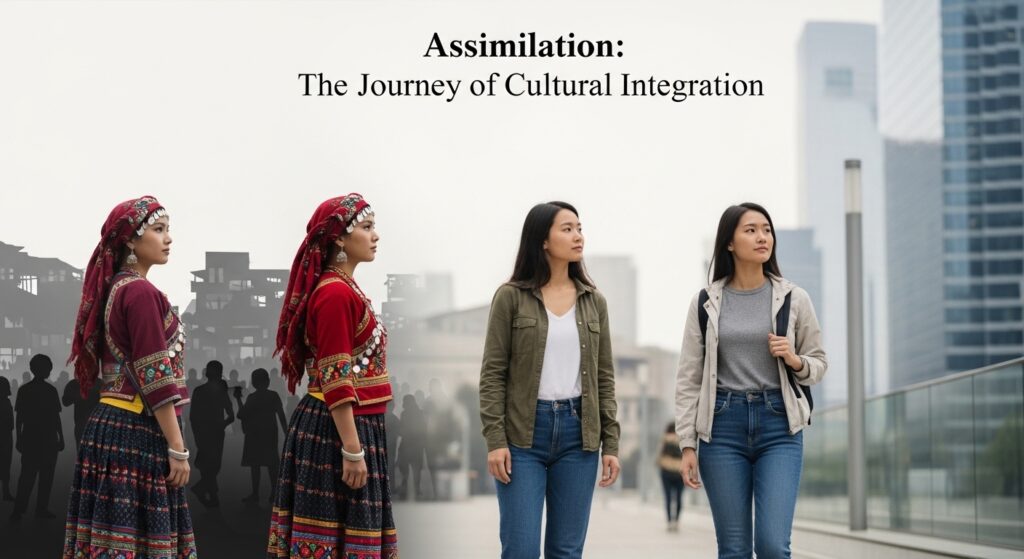
Imagine stepping into a new world, where the sights, sounds, and flavors are entirely different from what you’ve known. This experience is often part of the journey of assimilation—a process that shapes how individuals and communities blend their cultural identities. In an increasingly interconnected globe, understanding assimilation becomes essential. It’s more than just adopting a new language or taste in food; it involves navigating complex social dynamics and emotional landscapes.
As we delve into the intricacies of this phenomenon, we’ll explore its historical roots, influencing factors, challenges faced by individuals during this transition, and the numerous benefits that arise when cultures intertwine. Join us on this enlightening journey to uncover what assimilation truly means for both individuals and societies at large.
What is Assimilation?
Assimilation refers to the process through which individuals or groups adopt the cultural traits of another society. This usually happens when a minority culture begins to resemble the dominant culture in language, customs, and social behaviors.
At its core, assimilation can be voluntary or forced. Some people willingly embrace new traditions while seeking acceptance. Others may feel pressure to conform due to societal expectations.
This journey often involves a complex interplay of identity and belonging. As individuals navigate this shift, they may experience both excitement and loss—gaining new perspectives while leaving behind familiar ties.
Cultural assimilation isn’t just about blending in; it’s also about creating a richer tapestry of experiences that shape communities over time. Each person’s journey contributes uniquely to the evolving narrative of their society.
The History of Assimilation
Assimilation has deep historical roots, dating back to ancient civilizations. Empires often expanded by incorporating diverse cultures and peoples. Through conquest or diplomacy, they sought unity.
In the 19th century, assimilation gained a new dimension with waves of immigration. Countries like the United States championed the melting pot concept. Immigrants were encouraged to adopt local customs and languages.
Colonial powers also practiced forced assimilation in their territories. Indigenous cultures faced suppression as colonizers imposed their values and beliefs.
The 20th century saw shifts in perspective. Scholars began recognizing multiculturalism’s importance alongside assimilation. The dialogue around cultural integration evolved, acknowledging both challenges and benefits.
These historical contexts shape today’s understanding of how societies blend traditions and identities. Each era reflects different attitudes towards diversity, revealing an ongoing journey through which communities navigate cultural landscapes.
Factors that Influence Assimilation
Several factors play a crucial role in the process of assimilation.
First, language proficiency significantly impacts how well individuals can integrate into a new culture. Those who master the local language often find it easier to communicate and connect with others.
Social networks also matter. Supportive communities help newcomers navigate their environment, providing emotional backing and practical resources for adaptation.
Economic opportunities are another key influence. Access to jobs allows individuals to establish financial stability and fosters interactions with diverse groups.
Education shapes perspectives as well. Schools serve as melting pots where students from various backgrounds collaborate, share ideas, and learn mutual respect.
Individual willingness plays an essential part. Openness to embrace change can make all the difference in finding common ground within a new cultural landscape.
Challenges of Assimilation
Assimilation is often a rocky road. Individuals from different cultures face numerous hurdles as they try to integrate into a new society.
Language barriers can create significant obstacles. Miscommunication leads to misunderstandings, isolating newcomers and hindering their progress.
Cultural differences also play a role. Customs that seem ordinary in one culture might be completely foreign in another, causing friction between individuals and communities.
Moreover, the pressure to conform can be overwhelming. Newcomers may feel compelled to abandon their unique identities just to fit in, leading to personal struggles over self-acceptance.
Discrimination remains another challenge on this journey. Prejudice against certain groups complicates efforts for meaningful integration and acceptance within the larger community.
Each of these factors contributes to an intricate web of difficulties that those seeking assimilation must navigate carefully.
Benefits of Cultural Integration
Cultural integration fosters a diverse society where ideas and traditions intermingle. This melting pot enhances creativity, as different perspectives lead to innovative solutions.
When communities embrace various cultures, they improve social harmony. Understanding one another reduces prejudice and builds empathy among individuals from different backgrounds.
Economic benefits also arise through cultural integration. A diverse workforce can drive business growth by attracting a wider customer base and increasing market adaptability.
Additionally, language skills flourish in an integrated environment. Individuals learn new languages more easily, boosting communication abilities that are essential in our globalized world.
Shared experiences create lasting bonds within communities. Celebrating multicultural events strengthens ties and promotes unity while valuing each person’s unique heritage.
Ways to Facilitate Smooth Assimilation
Creating a welcoming environment is essential for smooth assimilation. Communities can foster an open atmosphere, encouraging dialogue and interaction.
Language support plays a vital role as well. Offering language classes helps newcomers communicate better and feel more included in their new surroundings.
Cultural exchange programs are another effective method. They allow individuals to share their traditions while learning about others’. This two-way street promotes understanding and respect.
Mentorship opportunities can guide newcomers through the complexities of integration. Pairing them with seasoned members of the community creates bonds that ease transition challenges.
Celebrating cultural diversity through festivals or events showcases various heritages. Such gatherings invite everyone to participate, further bridging gaps between different groups.
Providing access to resources like job training and educational workshops empowers individuals. These tools equip them with skills needed for successful adaptation within society.
Conclusion
Assimilation is a complex process that shapes the ways individuals and communities interact with one another. Understanding its nuances can lead to more meaningful cultural exchanges. The journey of cultural integration is not without its challenges, but it also presents numerous opportunities.
As cultures merge, they create new identities, rich in diversity and innovation. This ongoing dialogue fosters understanding and appreciation among different groups. By recognizing what influences assimilation and addressing the barriers faced during this transition, societies can build bridges instead of walls.
Through education, open communication, and community engagement, we can facilitate smoother pathways for those navigating their way through new environments. Embracing differences while finding common ground enhances our collective experience.
The journey of assimilation highlights the importance of empathy and adaptability in today’s interconnected world. As we continue to evolve socially and culturally, fostering an environment where everyone feels valued will be key to thriving together.