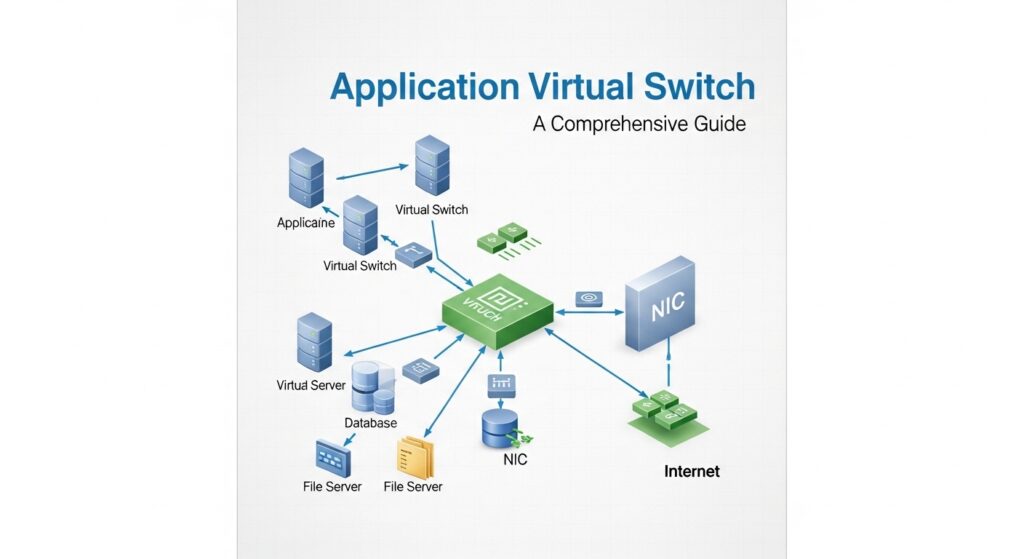
In today’s fast-paced digital landscape, the way we manage and connect our networks has evolved dramatically. One of the standout innovations in this arena is the Application Virtual Switch. Imagine a world where your virtual machines communicate seamlessly, resources are allocated efficiently, and network management becomes a breeze. That’s precisely what an Application Virtual Switch can offer.
This powerful tool acts as an intermediary between virtual environments and physical networks, providing enhanced flexibility and control over data traffic. Whether you’re running cloud applications or managing complex IT infrastructures, understanding how to leverage an Application Virtual Switch could be a game-changer for your organization.
Join us on this journey as we delve into the benefits, features, setup processes, and future potential of Application Virtual Switch technology. Get ready to transform your networking experience!
Benefits of Using an Application Virtual Switch
Application Virtual Switches offer significant flexibility in network management. They allow seamless integration within virtualized environments, enabling efficient resource allocation and reducing hardware dependency.
Scalability stands out as another key benefit. As organizations expand, these switches can easily adapt to changing workloads without the need for physical upgrades. This capability saves both time and costs.
Security measures also improve with Application Virtual Switches. They facilitate advanced traffic monitoring and segmentation, ensuring that sensitive data remains protected from potential threats.
Moreover, simplified configuration is a noteworthy advantage. Users can manage multiple networks through a single interface, streamlining operations and enhancing overall productivity.
In addition to facilitating better performance metrics, such switches enable automated policies that enhance network reliability while minimizing downtime during critical business activities.
Top Features of an Application Virtual Switch
One of the standout features of an Application Virtual Switch is its ability to provide advanced network management. This allows for seamless traffic monitoring and analysis, giving administrators greater insight into their virtual environments.
Another key feature is enhanced security capabilities. With built-in firewalls and access control lists, users can ensure that sensitive data remains protected from potential threats.
Scalability stands out as well. An Application Virtual Switch can easily adapt to growing business needs without requiring extensive hardware changes or upgrades.
Additionally, these switches support various protocols like VLAN tagging and QoS mechanisms. This flexibility helps prioritize network traffic efficiently based on specific requirements.
Integration with cloud services adds tremendous value. Organizations can manage both on-premise and cloud-based workloads effortlessly through a unified switching solution, streamlining operations significantly.
How to Set Up and Configure an Application Virtual Switch
Setting up an Application Virtual Switch is a straightforward process, but it requires attention to detail. Begin by accessing your virtualization platform’s management interface. This could be VMware, Hyper-V, or another provider.
Next, navigate to the networking settings where you can create a new virtual switch. Choose the option for an application virtual switch and give it a distinct name for easy identification later on.
Configure the network adapters linked to this switch. Assign appropriate IP addresses and subnet masks based on your network design. Ensure that security settings are in place; consider enabling features like VLAN tagging if necessary.
Once configured, test connectivity between virtual machines using this switch. Monitor performance metrics through your platform’s dashboard to ensure everything runs smoothly from the start. Adjust configurations as needed based on initial tests for optimal efficiency and reliability in communication across applications.
Comparison with Physical Network Switches
When comparing Application Virtual Switches to physical network switches, it’s clear that both serve distinct purposes in networking. Physical switches are hardware devices that connect multiple devices within a local area network (LAN). They operate at the data link layer and typically offer robust performance for traditional networking needs.
On the other hand, Application Virtual Switches function entirely in software. This allows for greater flexibility and scalability. Since they’re not bound by physical constraints, organizations can easily manage virtual environments without additional hardware investment.
While physical switches provide reliability, an Application Virtual Switch excels in dynamic resource allocation. It adapts quickly to changing workloads and offers enhanced management capabilities through virtualization tools.
Security features also differ significantly. An Application Virtual Switch often includes built-in security functions like micro-segmentation, making it easier to isolate traffic for better protection against threats.
Common Use Cases for Application Virtual Switches
Application Virtual Switches (AVS) are versatile tools that cater to various scenarios in modern IT environments. One prominent use case is within cloud computing. Organizations leverage AVS to manage virtualized network traffic, allowing seamless connectivity between applications hosted on different servers.
Another common application occurs in development and testing environments. Developers can create isolated networks with AVS, enabling them to simulate real-world conditions without affecting live systems. This flexibility accelerates the software development lifecycle significantly.
Additionally, AVS plays a crucial role in multi-tenant architectures. Service providers utilize it to ensure secure data separation among tenants while maintaining efficient resource utilization across their infrastructure.
Security teams also benefit from Application Virtual Switches by deploying micro-segmentation strategies, enhancing their ability to protect sensitive data through controlled access policies tailored for each segment of the network.
Troubleshooting and Maintenance Tips
Troubleshooting an Application Virtual Switch can sometimes feel daunting. Start by checking the network configuration. Ensure that all virtual machines are connected correctly and have the right settings.
If you’re experiencing connectivity issues, inspect the switch’s logs for any error messages or anomalies. Logs often provide clues to underlying problems.
Don’t overlook your host system’s resources. High CPU or memory usage on a host can affect the performance of virtual switches significantly.
Regular maintenance is key to keeping everything running smoothly. Schedule periodic checks on switch configurations and connection statuses.
Consider automating some monitoring tasks with tools designed for virtualization environments. They can alert you about potential issues before they escalate into bigger problems.
Keep both your software and firmware updated to leverage improvements and security patches from vendors. This ensures better stability and enhanced features over time.
Future of Application Virtual Switch Technology
The future of Application Virtual Switch technology is promising and full of potential. As organizations increasingly adopt cloud computing and virtualization, the demand for efficient networking solutions will continue to rise.
Emerging trends suggest a shift towards more intelligent switches that can automatically optimize traffic based on real-time data analytics. This could lead to enhanced performance and reduced latency.
Integration with artificial intelligence may also play a significant role. AI-driven virtual switches could adapt their configurations dynamically, improving network efficiency while ensuring security protocols are met.
Moreover, as IoT devices proliferate, application virtual switches will likely evolve to manage diverse connections seamlessly. They will need to accommodate various protocols and standards without compromising speed or reliability.
Sustainability considerations are becoming paramount too. Future designs might focus on energy efficiency, contributing positively to environmental goals while supporting advanced networking capabilities.
Conclusion
Application Virtual Switch technology is transforming the way networks operate. By providing flexibility and scalability, this solution meets the evolving demands of modern IT environments. As organizations increasingly adopt virtualization and cloud services, understanding how to leverage application virtual switches will become essential.
The benefits are clear. Enhanced resource management, cost savings, and improved network performance make application virtual switches a compelling choice for businesses looking to optimize their infrastructure. With features like traffic isolation, advanced security options, and simplified management tools, these solutions stand out in today’s competitive landscape.
Setting up an application virtual switch may seem daunting at first; however, with proper guidance and troubleshooting tips available, you can quickly navigate potential challenges. Business leaders must recognize common use cases that demonstrate the value of this technology across different sectors.
As we look ahead to future advancements in networking technology—like automation and AI—the role of application virtual switches will likely expand further. Embracing this innovative approach not only prepares organizations for current needs but also positions them well for upcoming trends.
Incorporating an application virtual switch into your network strategy could be a game-changer. Understanding its capabilities empowers you to build more robust systems that promote growth while maintaining efficiency.