
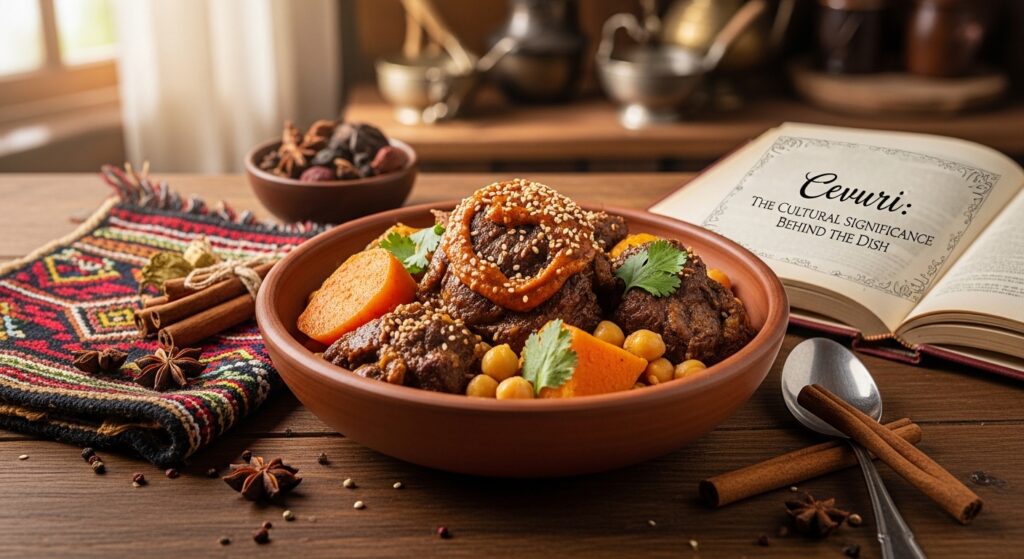
Cevurı is more than just a dish; it’s a delicious journey through culture and tradition. This savory delight captivates the palate while telling stories of history, family, and community. Whether enjoyed at festive gatherings or simple dinners, Cevurı holds a special place in the hearts of many. Its rich flavors are not only satisfying but also steeped in meaning that transcends generations. Join us as we explore the significance behind Cevurı—an emblem of culinary heritage waiting to be discovered anew with each bite.
The History and Origin of Cevurı
Cevurı has deep roots in the culinary traditions of the Middle East. Its origins can be traced back centuries, with influences from various cultures that have settled in this region.
Historically, Cevurı was a dish prepared during significant festivities and gatherings. Families would come together to share it, making it more than just food; it became a symbol of unity.
As trade routes expanded, so did recipes and preparation methods. Each culture added its unique twist to the dish over time. This adaptability allowed Cevuri to thrive across diverse landscapes.
Today, traces of these ancient customs are still evident in how Cevurı is enjoyed at celebrations and family dinners alike. The blend of history and cultural significance makes each bite rich with stories from generations past.
Regional Variations of Cevurı
Cevurı is a dish rich in diversity, much like the cultures that embrace it. Each region offers its unique twist on this culinary delight.
In Eastern Anatolia, for example, you might find Cevuri infused with robust spices and accompanied by rustic bread. The flavors here are bold and hearty, reflecting the region’s mountainous terrain.
Traveling westward to the Aegean coast reveals a lighter version. Here, fresh herbs mingle with seasonal vegetables, creating a vibrant palette of flavors that celebrates local produce.
Meanwhile, Mediterranean regions often incorporate seafood into their Cevurı variations. This adaptation showcases freshness while capturing the essence of coastal living.
Each variation tells a story of its place—its people and traditions—making every plate of Cevurı not just food but an experience steeped in regional identity.
Ingredients and Preparation Methods
Cevurı is a delightful dish that showcases the essence of local ingredients. The foundation typically consists of tender meat, often lamb or beef, marinated in a blend of spices and herbs. This enhances its rich flavor profile.
Fresh vegetables play a crucial role too. Bell peppers, tomatoes, and onions add color and texture to the mix. Each region may have its own twist on these veggies based on seasonal availability.
The preparation method varies widely but usually involves slow-cooking or grilling over an open flame. This technique allows for deep flavors to develop while ensuring tenderness in the meat.
A finishing touch might include drizzling olive oil or sprinkling fresh herbs just before serving. These simple additions elevate Cevurı from ordinary to extraordinary, making it a beloved centerpiece at gatherings.
Symbolism and Traditions Associated with Cevurı
Cevurı carries deep symbolism within the cultures that cherish it. Often associated with celebration and community, this dish serves as a centerpiece Cevuri during festive gatherings. Each bite tells a story of tradition passed down through generations.
In many regions, preparing Cevurı is more than just cooking; it’s an art form. Families often gather to share recipes and techniques, reinforcing bonds while preserving cultural heritage.
Furthermore, certain ingredients in Cevurı symbolize prosperity and good fortune. The meticulous selection process reflects values like patience and respect for nature’s bounty.
Traditions surrounding Cevurı also include specific rituals before serving. Many believe that these practices invite blessings into their homes, making every meal sacred.
Enjoying Cevurı transcends mere nourishment—it’s about connection to roots and the joy of sharing moments with loved ones.
Modern Interpretations of Cevurı
Modern interpretations of Cevurı showcase a fascinating blend of tradition and innovation. Chefs today are experimenting with flavors and presentation, Cevuri pushing the boundaries of this beloved dish.
Fusion cuisine has found its way into the kitchen, introducing unexpected ingredients like quinoa or exotic spices. These twists add new dimensions while respecting Cevurı’s roots.
Street food vendors also play a pivotal role in reinventing Cevurı. They serve it as portable bites, making it accessible to everyone on-the-go. Toppings that range from fresh herbs to spicy sauces elevate this dish even further.
Restaurants often feature gourmet versions, focusing on organic and locally sourced ingredients. This approach not only enhances taste but also connects diners to their community’s agriculture.
Social media has amplified these modern takes on Cevurı, inspiring home cooks everywhere. As people share their own variations online, the legacy of this dish continues to evolve beautifully.
Conclusion: Why Cevurı is More Than Just a Dish
Cevuri holds a special place in the hearts of many, transcending mere sustenance. It embodies tradition, community, and history. Each bite carries stories passed down through generations.
For those who prepare it, is not just about following a recipe; it’s an act of love and connection to one’s roots. Families gather around tables laden with this dish during significant celebrations or casual get-togethers, showcasing its role as a centerpiece of social interaction.
The variations across regions highlight the adaptability of Cevurı while preserving its core essence. As chefs experiment with modern twists on this classic meal, they continue to honor its origins while making it relevant for contemporary palates.
Cevurı serves as a delicious reminder that food can bridge cultures and foster unity among people. This dish represents more than nourishment; it’s about sharing experiences and creating memories. Whether served at festive gatherings or enjoyed quietly at home, Cevurı remains deeply intertwined with cultural identity and communal spirit—a true testament to the power of culinary heritage.