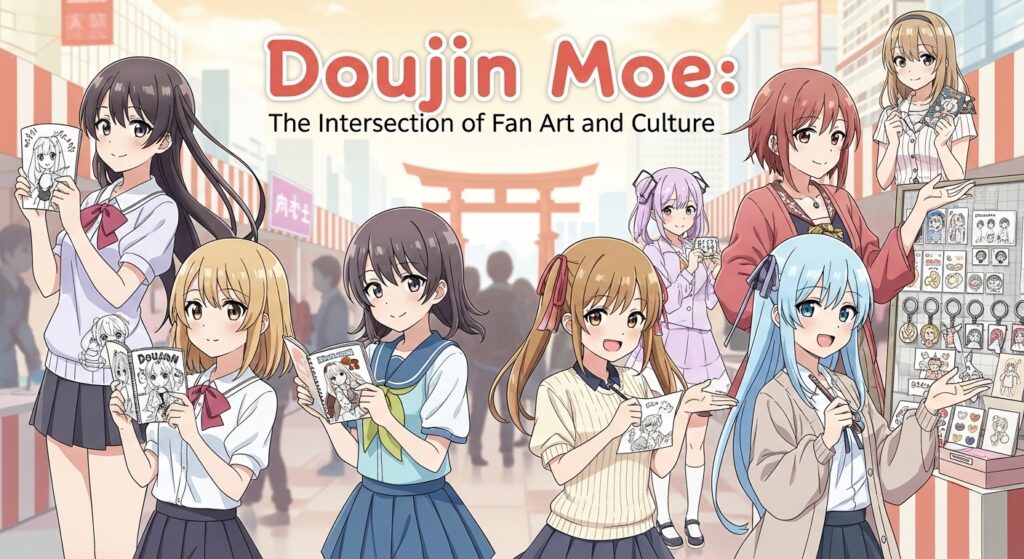
Doujin Moe is more than just a niche in the vast world of fan art. It’s a vibrant tapestry woven from creativity, passion, and cultural expression. This unique phenomenon combines elements of anime, manga, and video games while allowing fans to unleash their artistic talents. The result? A dynamic scene that captures the hearts of countless enthusiasts across the globe.
From intricate illustrations to passionate storytelling, Doujin Moe showcases how fandom can transform into an art form. But what exactly fuels this movement? Join us as we dive deeper into the history, evolution, and impact of Doujin Moe on pop culture and media. Whether you’re an avid collector or a curious newcomer, there’s something here for everyone who appreciates the beauty of fan-created content.
The History and Evolution of Doujin Moe
Doujin Moe has roots deeply embedded in the Japanese art scene. It began as a movement where fans expressed their love for anime and manga through self-published works. The term “doujin” refers to amateur creators, while “moe” encapsulates endearment towards characters.
In the 1980s, underground comic fairs like Comiket sparked this creative explosion. Artists showcased their work, ranging from parodies to original stories. These gatherings fostered a sense of community among fans and creators.
As technology evolved, so did Doujin Moe. The internet opened new avenues for sharing artwork worldwide. Platforms like Pixiv allowed artists to showcase their creations beyond Japan’s borders.
Today, it thrives not only in print but also digitally. With diverse styles emerging, Doujin Moe continues to reinvent itself while celebrating fan culture and creativity across generations.
Exploring the World of Fan Art
Fan art serves as a vibrant expression of creativity and passion. Artists breathe life into beloved characters from anime, manga, video games, and more. Each piece tells a story that resonates with fans on multiple levels.
The allure of fan art lies in its accessibility. Anyone can pick up a pencil or stylus to create something unique. This democratization of art allows for diverse voices and styles to flourish within the community.
Platforms like DeviantArt, Tumblr, and social media have transformed how creators share their work. They enable interaction between artists and fans, fostering connections that transcend geographical boundaries.
Moreover, fan art often acts as commentary on existing narratives. Through reinterpretation or parody, it invites discussions about themes within original works while celebrating them at the same time.
As this subculture continues to grow, so does its influence across various mediums—pushing the boundaries of traditional fandom into exciting new territories.
Impact on Pop Culture and Media
Doujin Moe has carved out a significant niche in pop culture, influencing everything from fashion to mainstream anime. The vibrant aesthetics and unique interpretations of characters breathe new life into established franchises.
Artists often infuse their work with personal styles, creating pieces that resonate deeply with fans. This personalization fosters a sense of community among enthusiasts who share similar tastes.
Moreover, Doujin Moe has permeated social media platforms. Fans showcase artworks on sites like Twitter and Instagram, where hashtags amplify visibility. Viral trends often emerge from these creative expressions, further embedding the art form into contemporary culture.
Mainstream media now recognizes this phenomenon too. Collaborations between popular brands and independent artists are becoming commonplace as they explore fresh avenues for engagement. This interplay highlights how fan-created content can shape narratives beyond traditional boundaries.
Controversies and Criticisms Surrounding Doujin Moe
Doujin Moe has sparked considerable debate within the art community. While many celebrate its creativity, others raise concerns about content boundaries.
Critics argue that some works cross ethical lines, particularly those depicting underage characters in suggestive scenarios. This raises questions about consent and representation in fan art culture.
Additionally, the commercialization of Doujin Moe has led to tensions between original creators and fans. Some artists feel their intellectual property is being misused without proper acknowledgment or compensation.
On social media platforms, discussions often become heated. Supporters defend artistic freedom while opponents advocate for more responsible practices within the community.
This dynamic fosters a complex environment where appreciation meets apprehension, highlighting differing perspectives on what constitutes acceptable fan expression. As these conversations continue to evolve, they shape how Doujin Moe is perceived both locally and globally.
The Future of Doujin Moe
As the digital landscape evolves, so does Doujin Moe. Artists are leveraging new platforms to share their creations with global audiences. This shift fosters greater diversity in art styles and storytelling.
Blockchain technology may also play a role in the future of fan art. With NFTs gaining traction, artists can monetize their work while ensuring authenticity and ownership. Fans crave unique pieces, and this could lead to an exciting market for limited-edition doujinshi.
Social media continues to be a powerful tool for emerging talent. Platforms like Twitter and Instagram allow creators to showcase their work directly to fans, bypassing traditional gatekeepers. This democratization empowers artists worldwide.
Collaboration between established franchises and independent artists is likely on the rise too. We might see more official partnerships that blend original content with doujin-inspired creativity, enriching both cultures significantly as they intertwine further.
Conclusion: Embracing the Diverse World of Fan Art through Doujin Moe
The world of Doujin Moe represents a vibrant tapestry woven from the threads of creativity and passion. It serves as a platform for artists to express themselves freely, often pushing boundaries in ways that mainstream media cannot. The evolution of this art form reflects changing cultural attitudes and technological advancements, making it an ever-evolving phenomenon.
As fans engage with their favorite characters through unique interpretations, they contribute to a larger conversation about ownership and artistry within fandoms. This intersection fosters innovation but also brings forth debates on ethics and copyright—a testament to its complex nature.
Looking ahead, Doujin Moe shows no signs of slowing down. With the rise of digital platforms and global communities, fan art will continue to flourish across borders. This colorful universe invites everyone to partake in storytelling like never before.
Embracing Doujin Moe means appreciating not just the artwork but also the stories behind them—stories filled with heart, struggle, joy, and connection among fans worldwide. Each piece is more than mere expression; it’s part of a shared culture that continues to enrich our understanding of art itself.