
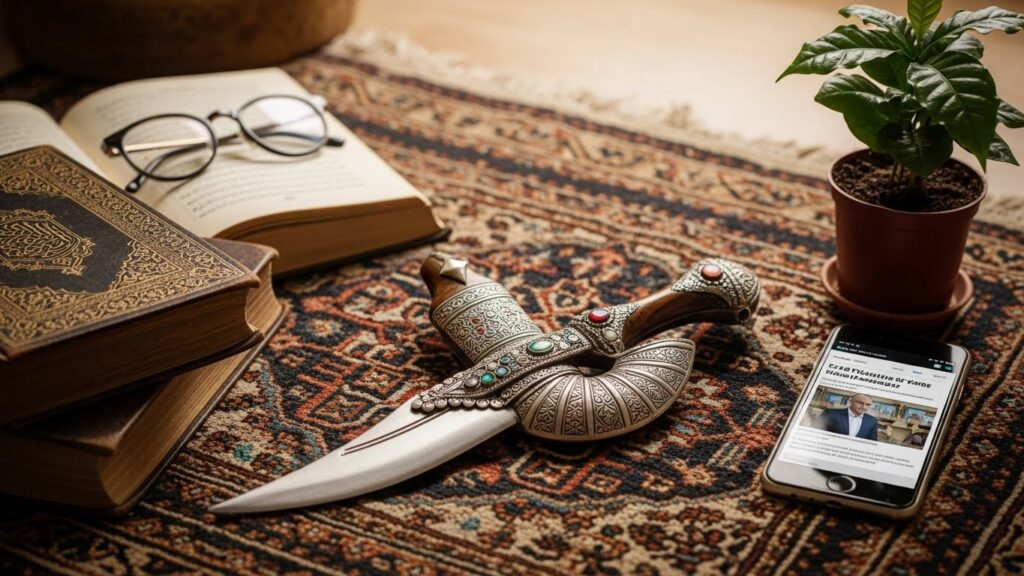
Hitaar is more than just a word; it’s a vibrant thread woven into the rich tapestry of cultural heritage. This traditional practice holds deep-rooted significance, resonating with communities and individuals alike. It embodies stories of history, identity, and artistic expression that have shaped cultures over generations.
As we delve into the fascinating world of Hitaar, you’ll discover its origins steeped in tradition and how it has transformed to meet modern demands. Whether you’re new to this concept or looking to deepen your understanding, there’s much to explore about what makes Hitaar resonate even today. Let’s embark on this journey together!
The Origin and History of Hitaar
Hitaar traces its roots to ancient civilizations, where it emerged as a vital cultural artifact. Initially, it served practical purposes in daily life and rituals. Over time, its significance deepened within various communities.
The term itself derives from regional dialects that speak to connection and harmony among people. Historical texts suggest that Hitaar was not just an object but a symbol of unity.
As societies evolved, so did the interpretations of Hitaar. It became intertwined with local myths and legends. Each community added layers of meaning based on their unique experiences.
Artifacts resembling Hitaar have been found in archaeological sites, indicating its longstanding presence across generations. These discoveries highlight how deeply embedded Hitaar is in the fabric of society throughout history.
Traditional Uses and Symbolism of Hitaar
Hitaar holds a special place in various cultures, often symbolizing community and celebration. Traditionally, it was used during significant ceremonies such as weddings and festivals. It served not only as a decorative element but also as a functional tool for gathering people together.
The intricate designs found on Hitaar pieces tell stories of heritage and identity. Each pattern carries its own meaning, reflecting the values and beliefs of the community that crafted it. In many instances, these items were believed to bring good luck or ward off negative energies.
Moreover, Hitaar has been associated with hospitality. Offering beverages or food in these beautifully designed vessels signifies warmth and welcome to guests. This act reinforces social bonds within families and communities alike, highlighting the importance of connection through shared experiences.
Modern Adaptations and Innovations
Modern adaptations of Hitaar reflect the evolving landscape of culture and technology. Artists and designers are reimagining traditional forms, incorporating contemporary aesthetics while maintaining their essence.
Craftsmen now use eco-friendly materials in Hitaar creations. This shift not only honors tradition but also addresses modern environmental concerns. The fusion of old techniques with new technologies has opened doors for innovative expressions.
Social media plays a crucial role in popularizing Hitaar today. Platforms showcase the intricate beauty of these works, attracting younger generations who might otherwise be disconnected from their heritage.
Workshops and online classes have emerged, making it easier for people to learn about Hitaar practices. This accessibility ensures that knowledge is passed down while inviting fresh perspectives into this ancient art form.
The Role of Hitaar in Preserving Culture
Hitaar serves as a vibrant thread in the tapestry of cultural heritage. It encapsulates traditions passed down through generations, ensuring that ancestral knowledge is not lost.
Crafted with care, each Hitaar piece tells a story. Artisans pour their heart into designs that reflect history and identity. These artifacts become symbols of pride for communities.
In festivals and rituals, Hitaar plays a pivotal role. They connect individuals to their roots and foster community bonds. People gather around these cherished items, sharing stories and experiences.
The revival of interest in traditional crafts has further elevated Hitaar’s significance. Contemporary artists are embracing its essence while infusing modern elements, creating a bridge between old and new.
Through education programs and workshops focused on Hitaar techniques, younger generations gain valuable skills. This ensures that the artistry remains alive amidst changing times, fostering appreciation for cultural continuity.
How Hitaar is Celebrated Today
Today, Hitaar is celebrated through vibrant festivals that bring communities together. These gatherings often feature traditional music and dance, showcasing the rich heritage associated with this cultural practice.
Various rituals are performed during these celebrations to honor ancestors and connect with nature. People dress in colorful attire, reflecting the vividness of their culture. Each outfit tells a story, adding depth to the festivities.
Culinary delights play a significant role as well. Traditional dishes are prepared using age-old recipes passed down through generations, creating an atmosphere filled with tempting aromas that evoke nostalgia.
Social media also plays a part in modern celebrations of Hitaar. Families share their traditions online, fostering a sense of belonging among those who might be far from home. This digital connection helps keep the spirit alive for younger generations eager to learn about their roots.
Conclusion: Why Hitaar is Still Relevant in Modern Times
The relevance of Hitaar in today’s world cannot be overstated. This traditional art form transcends mere aesthetics; it is a living testament to cultural heritage and identity. As societies evolve, the significance of Hitaar remains intact, serving as a bridge between generations.
In modern settings, Hitaar continues to inspire artists and craftsmen who blend traditional techniques with contemporary styles. This fusion not only revitalizes the craft but also introduces it to new audiences. Social media platforms help in showcasing these innovations, allowing for wider appreciation and understanding.
Moreover, as more people seek authenticity in their lifestyles, Hitaar represents a return to roots—valuing tradition amidst rapid change. It encourages sustainable practices that resonate with current environmental concerns.
Cultural festivals today often feature Hitaar prominently, celebrating its historical importance while inviting fresh interpretations. The community’s involvement ensures that this cherished practice evolves without losing its essence.
Hitaar stands not just as an artifact of the past but as an ever-evolving expression of identity and artistry. Its enduring presence highlights the intrinsic human desire for connection—to our history, our culture, and each other. In embracing what makes us unique through traditions like Hitaar, we find common ground and foster deeper relationships across diverse communities.