
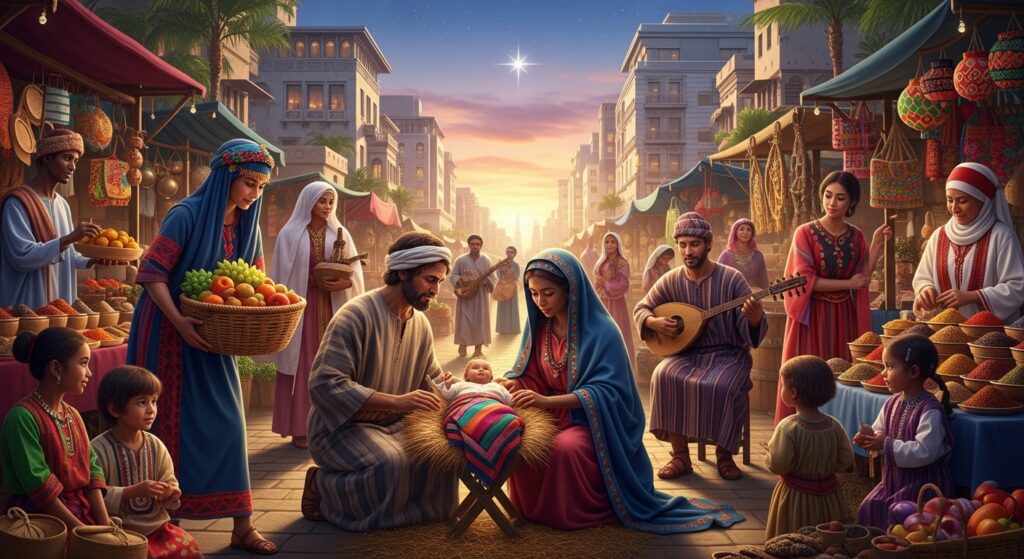
Nativität is a term that evokes deep emotional connections and rich cultural significance. It speaks to the heart of many traditions worldwide, symbolizing birth, renewal, and hope. But what does Nativität truly mean? Where did this concept originate? As we delve into its roots, we uncover a tapestry woven from various cultural threads. Each thread contributes unique colors and patterns to the overall picture of how this celebration manifests across different societies.
From ancient rituals to modern festivities, Nativität transcends borders and beliefs. Join us on an enlightening journey as we explore its meaning, significance in diverse cultures, traditional customs associated with it, and even the controversies that sometimes arise. This exploration not only enriches our understanding but also fosters appreciation for the myriad ways people celebrate life’s most precious moments.
Introducing Nativität: Meaning and Origin
Nativität, derived from the Latin word “nativitas,” translates to birth or origin. It encapsulates the essence of new beginnings and life itself. While often associated with Christian traditions, its roots stretch far beyond a single narrative.
In many cultures, Nativität signifies not just the physical act of birth but also spiritual rebirth and renewal. Ancient civilizations celebrated this concept through various rituals that honored fertility and creation.
Historically, it has been linked to agricultural cycles where communities rejoiced in the arrival of spring after winter’s dormancy. This universal theme resonates across cultures, reflecting humanity’s shared experience of hope and joy during significant life transitions.
From ancient festivals to contemporary celebrations, Nativität remains a powerful symbol uniting diverse practices under one overarching concept: celebrating life’s miraculous entry into our world.
The Significance of Nativität in Different Cultures
Nativität holds deep-rooted significance across various cultures. In Christianity, it symbolizes the birth of Jesus Christ, representing hope and redemption. The Nativity scene becomes a centerpiece during festive celebrations.
In Latin America, Natividad is celebrated with vibrant festivals known as Las Posadas. These events reenact Mary and Joseph’s journey to find shelter, blending faith with community spirit.
Similarly, in parts of Africa, local customs intertwine with the celebration of Nativität. Traditional songs and dances reflect regional heritage while honoring universal themes of family and togetherness.
The essence remains consistent: a profound acknowledgment of new beginnings. Various interpretations enrich this experience across continents. Each culture adds layers to its meaning through unique rituals and expressions that resonate beyond borders. The beauty lies in these diverse perspectives on life’s sacred moments that unite humanity in shared reverence for existence itself.
Traditional Celebrations and Customs of Nativität
Traditional celebrations of Nativität vary widely across cultures, each infusing unique flavors and practices into the festivities. In many Latin American countries, vibrant parades and colorful decorations fill the streets. Families set up elaborate nativity scenes called “nacimientos,” showcasing a rich tapestry of local artistry.
In Europe, particularly in Germany and Austria, Christmas markets come alive with handcrafted ornaments and traditional foods. The Advent calendar builds anticipation as families count down to the holiday.
Meanwhile, in parts of Africa, communities gather for storytelling sessions that connect generations through oral traditions centered around Nativität themes.
These customs often transcend mere celebration; they serve as ways to foster community bonds and cultural identity. Each tradition not only honors the essence of Nativität but also enriches our understanding of diverse human experiences during this season of joy and reflection.
How Nativität Has Evolved over Time
Nativität has undergone significant transformations throughout history. Originally rooted in religious traditions, it began as a solemn celebration of the birth of Jesus Christ. Over time, this event became intertwined with various cultural practices.
As societies evolved, so did the interpretation of Nativität. In many places, it started to incorporate local customs and folklore. For instance, regions adopted unique decorations and culinary delights that reflected their heritage.
Modern times have seen even further changes. The commercialization of Nativität has led to a focus on gift-giving and festive gatherings rather than purely spiritual observance. Yet, amidst this shift, many communities strive to preserve traditional elements.
While the essence remains linked to its origins, Nativität embodies diverse expressions reflecting societal values and beliefs across different eras. Each culture adds its own flavor to the celebration enriching its significance over time.
The Controversy Surrounding Nativität
The concept of Nativität has sparked debate across various communities. At its core, the celebration often embodies deep-rooted spiritual beliefs and cultural practices. However, differing interpretations can lead to misunderstandings.
For some, Nativität is a joyous occasion filled with family gatherings and festive traditions. Others perceive it as a relic of colonialism or cultural appropriation. This divergence creates tension between celebrating heritage and recognizing historical contexts.
Social media has amplified these discussions. People voice their opinions passionately, leading to even more polarized views on how Nativität should be observed.
Increasingly, there are calls for inclusivity in celebrations surrounding Nativität. Advocates urge respect for diverse perspectives while honoring unique customs that enrich this event’s significance around the globe.
This ongoing dialogue reflects broader societal changes regarding identity and tradition in today’s world.
Embracing Diversity and Respecting Cultural Traditions
Embracing diversity enriches our understanding of Nativität. Each culture brings its own unique lens through which we can appreciate this celebration. By exploring these various perspectives, we gain insight into the values and beliefs that shape different communities.
Respecting cultural traditions is essential in fostering harmony and connection among people. It encourages open dialogues where stories are shared, deepening our appreciation for one another’s practices.
When we honor these customs, we create an inclusive space where everyone feels valued. This mutual respect lays the groundwork for collaboration and empathy across cultures.
Celebrating differences allows us to recognize common threads that unite humanity. Through participation in diverse Nativität festivities, individuals can learn from one another while strengthening their own identities.
Let’s continue to celebrate this vibrant tapestry of traditions with curiosity and openness. After all, it is our collective experiences that make our world a richer place to live.
Conclusion
Nativität holds a rich tapestry of meaning and significance across various cultures worldwide. From its origins steeped in tradition to the vibrant celebrations that bring communities together, it showcases the beauty of human expression. As we explore how Nativität has evolved, we can appreciate both its historical roots and modern interpretations.
The discussions surrounding Nativität often reveal deeper societal conversations about values and inclusivity. While some may grapple with differing perspectives on this cultural phenomenon, embracing diversity is essential for mutual respect and understanding among different traditions.
Recognizing the importance of Nativität encourages us to celebrate our differences while honoring shared connections through culture. Each celebration serves as a reminder that while customs may vary, the essence of unity binds us all in our collective journey through life.