
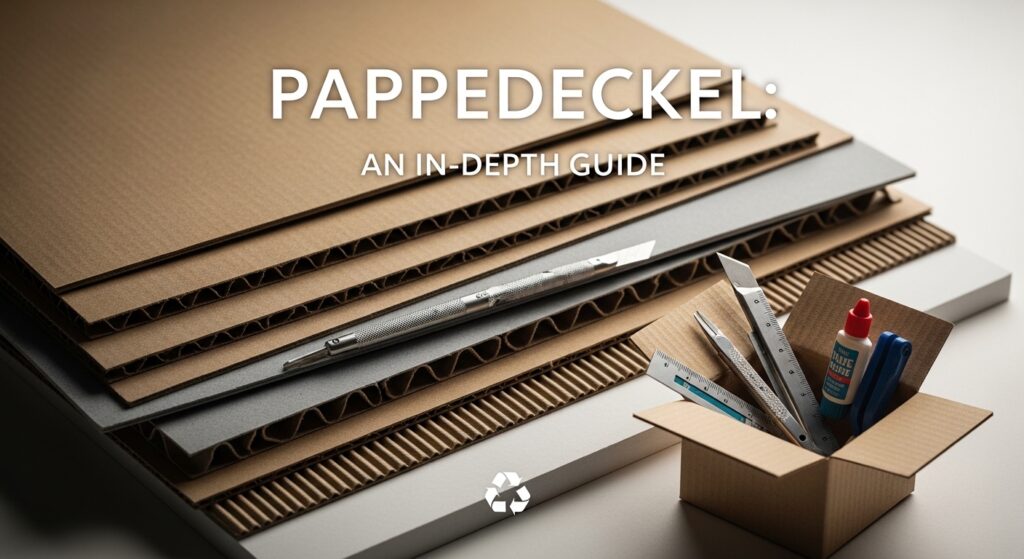
Have you ever come across the term “Pappedeckel” and wondered what it actually means? This seemingly simple word holds a world of creativity, functionality, and tradition. As we delve into the fascinating realm of Pappedeckel, you’ll discover its intriguing history, practical uses, and even how to craft your own. Whether you’re an artist looking for innovative materials or someone curious about sustainable options in packaging, this guide will unveil everything there is to know about Pappedeckel. Get ready to explore this unique item that bridges art with utility!
What is Pappedeckel?
Pappedeckel is a German term that translates to “paper lid.” It refers to a lightweight and often decorative paper cover used primarily in packaging. These lids are typically made from various types of paperboard or cardboard, making them both versatile and eco-friendly.
Unlike traditional plastic or metal lids, Pappedeckel offers an attractive alternative for sealing containers. They can be customized with eye-catching designs, colors, and textures. This makes them popular among artisans and businesses alike.
The charm of Pappedeckel lies in its simplicity. Whether you’re looking to present homemade jams or craft beverages, these paper lids provide a rustic yet elegant touch. Their ease of use also adds to their appeal—simply place the lid on top of your container and secure it with twine or adhesive.
As sustainability becomes increasingly important in consumer choices, Pappedeckel stands out as an innovative solution for those seeking eco-conscious packaging options.
The History of Pappedeckel
The history of Pappedeckel traces back to the early 20th century in Germany. Initially, it was used primarily for packaging purposes in bakeries and local markets. The demand for practical and eco-friendly solutions spurred its popularity.
Crafted from recycled paper materials, Pappedeckel quickly gained traction as a sustainable alternative to plastic lids. Artisans began experimenting with various designs that merged functionality with aesthetics.
In time, Pappedeckel found its way into different industries beyond food service. Creative uses emerged in arts and crafts, showcasing its versatility.
As consumer awareness about environmental issues grew, so did the relevance of Pappedeckel. It became synonymous with sustainability efforts across Europe and beyond, reflecting changing attitudes towards waste reduction.
Today, many small businesses champion this traditional product while innovating new applications that honor its rich heritage.
How to Make Your Own Pappedeckel
Creating your own Pappedeckel is a fun and straightforward process. Start by gathering materials like thick cardboard or paperboard, scissors, and a ruler.
Measure the size of the container you want to cover. Use the ruler to mark dimensions on your cardboard before cutting it out carefully. Precision helps in achieving a snug fit.
Next, consider personalizing your Pappedeckel with colors or designs. This can be done using paint, markers, or decorative paper. Let your creativity shine through!
Once decorated and dried if necessary, attach any additional features like handles or labels with glue or tape for added functionality.
Place your newly crafted Pappedeckel atop its intended container. Enjoy both its practical use and aesthetic appeal!
Common Uses of Pappedeckel
Pappedeckel, or paper lids, have found a range of applications across various industries. One of the primary uses is in food service. Many cafés and restaurants opt for Pappedeckel to cover takeout containers and beverages, offering an eco-friendly alternative to plastic.
In addition to the culinary world, these versatile lids are popular in the crafting scene. Artists often incorporate Pappedeckel into their projects as unique materials for creating art pieces or handmade gifts.
Education also benefits from Pappedeckel’s utility. Teachers use them in classrooms for experiments or as part of interactive learning activities that engage students with hands-on experiences.
Moreover, they serve well at events and parties where disposable items are needed but sustainability remains a priority. Their light weight makes them easy to transport while still being functional and stylish.
Benefits and Drawbacks of Using Pappedeckel
Pappedeckel offers numerous advantages. Its lightweight nature makes it easy to handle, which is a significant plus for packaging and storage purposes. Businesses often appreciate its cost-effectiveness compared to traditional materials.
On the downside, Pappedeckel may not be as durable as plastic or metal options. It can be susceptible to water damage, limiting its use in certain environments.
Another consideration is that while it’s recyclable, improper disposal could lead to environmental challenges if not managed correctly.
The aesthetic appeal of Pappedeckel is notable; however, some users find it less visually striking than other materials like glass or aluminum. This perception might affect branding choices for companies aiming for premium presentation.
Weighing these benefits against potential drawbacks will help individuals and businesses determine if Pappedeckel suits their needs effectively.
Sustainability and Environmental Impact of Pappedeckel
Pappedeckel, often overlooked, plays a surprisingly significant role in sustainable practices. Made from paperboard, it is biodegradable and can decompose naturally without harming the environment.
Using Pappedeckel reduces reliance on plastic packaging. This shift not only cuts down on waste but also lowers carbon footprints associated with production and disposal.
Moreover, many manufacturers source materials responsibly. They prioritize recycled content and eco-friendly processes. This commitment to sustainability resonates with environmentally conscious consumers.
When considering its lifecycle, Pappedeckel promotes circular economy principles. It can be reused or repurposed before being composted at the end of its life span.
However, it’s crucial to ensure that inks and coatings used are non-toxic. Proper choices in these areas maximize environmental benefits while maintaining functionality. The potential for innovation within this space remains vast as awareness grows around sustainable packaging solutions like Pappedeckel.
Future Outlook for Pappedeckel Use
The future of Pappedeckel appears promising as industries increasingly prioritize sustainable packaging solutions. With rising environmental awareness, demand for eco-friendly alternatives continues to grow.
Innovations in materials and production techniques will likely enhance the functionality of Pappedeckel. Manufacturers are exploring biodegradable options that maintain durability without compromising on quality.
As consumers seek out greener products, businesses incorporating Pappedeckel into their packaging strategies may gain a competitive edge. This shift could encourage more brands to adopt similar practices.
Additionally, the rise of e-commerce is creating new opportunities for Pappedeckel use in protecting goods during shipping. Customization features will also play a role as companies look to brand their packaging while remaining environmentally conscious.
Collaboration between manufacturers and sustainability advocates might further drive advancements in this area, ensuring that Pappedeckel remains relevant and effective for years to come.
Conclusion
Pappedeckel has made a significant mark in various industries, from packaging to arts and crafts. Its versatility and ease of use make it an appealing choice for many. Understanding its history enriches our appreciation for this simple yet effective product.
Making your own Pappedeckel can be a fun project that allows you to explore creativity while also being eco-friendly. The common uses highlight its practicality, whether it’s for organizing items or adding flair to your projects.
The benefits are compelling; however, drawbacks like durability concerns may arise depending on the application. Sustainability is another crucial factor as more individuals and companies seek environmentally friendly alternatives.
Looking ahead, the future of Pappedeckel seems bright with continued innovation in materials and applications. As we embrace sustainable practices, Pappedeckel stands out as an option worth considering for anyone looking to integrate efficiency with environmental responsibility.