
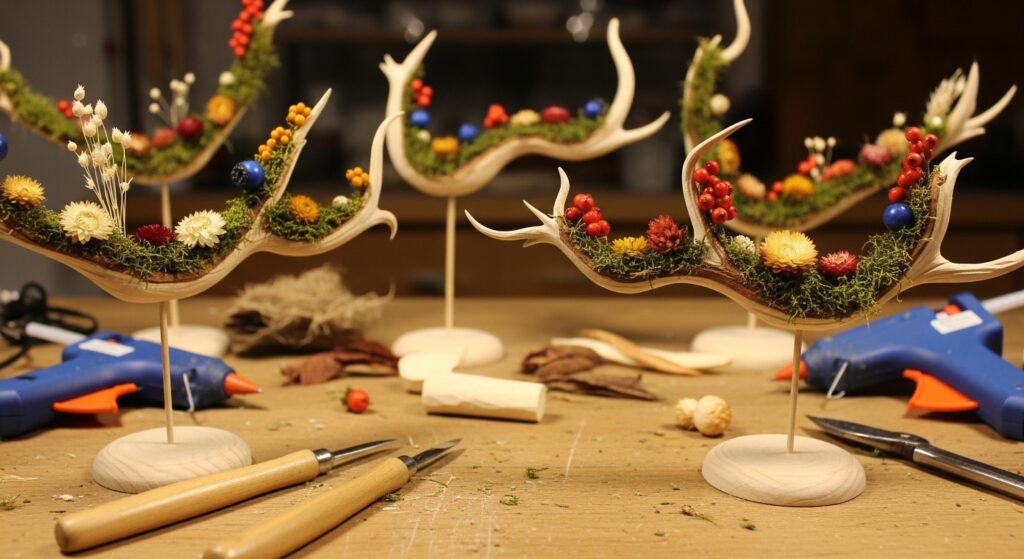
Pyntekvister is more than just a craft; it’s a captivating blend of art and tradition that invites creativity into every home. Imagine transforming simple materials into stunning pieces of decor that tell a story rich with history and personal expression. This unique technique, rooted in cultural heritage, has been reimagined by modern artisans, making it accessible to anyone eager to explore their artistic side.
Whether you’re an experienced crafter or just starting your journey, Pyntekvister offers endless possibilities for creating eye-catching designs. Join us as we delve into the fascinating world of this intricate craft—uncovering its origins, essential tools, and step-by-step methods to help you create your own masterpiece. Get ready to unleash your imagination!
A Brief History of Pyntekvister
Pyntekvister has roots that stretch deep into Scandinavian culture. This intricate technique emerged centuries ago, showcasing the creativity and craftsmanship of artisans.
Originally used in rural communities, Pyntekvister served as a means to decorate everyday items. From textiles to wooden surfaces, it transformed ordinary objects into stunning pieces of art.
Historically, women played a vital role in passing down this craft through generations. They gathered around firesides, sharing techniques and stories while weaving colorful patterns into their work.
As time progressed, Pyntekvister adapted to modern aesthetics yet retained its traditional essence. Today, it finds itself celebrated not just for its beauty but also for its cultural significance within artisan circles worldwide.
Interest in these age-old methods is surging as more people seek authentic connections with their crafts and heritage.
Materials and Tools Needed for Pyntekvister
To create stunning Pyntekvister art, you’ll need a few essential materials. Start with vibrant colored paper or fabric. Both can bring your designs to life and add depth.
Next, scissors are a must-have for cutting intricate shapes. Precision is key here, so take your time. A craft knife might also come in handy for those tighter curves.
You’ll also want some adhesive glue that dries clear. This ensures a clean finish without unsightly marks on your artwork.
Don’t forget about a sturdy base like cardstock or canvas to mount your creations. It provides the perfect foundation and enhances durability.
Having a ruler and pencil will help you measure accurately and sketch out designs before cutting into your chosen material. These tools will set you up for success as you dive into the world of Pyntekvister crafting!
Step-by-Step Guide to Creating Your Own Pyntekvister Artwork
Creating your own Pyntekvister artwork is a rewarding experience. Start by gathering your materials: colored papers, scissors, a craft knife, and adhesive.
Begin with a base. Choose sturdy paper or cardboard as your canvas. This will support the intricate designs you’ll create.
Next, cut various shapes from the colored papers. Think of geometric forms or organic patterns. Let your creativity flow; there are no strict rules here.
Now it’s time to arrange these pieces on your base. Play around with placement before committing with glue. Experimentation is key—feel free to layer and overlap for depth.
Once satisfied with the layout, securely attach each piece using adhesive. Press firmly to ensure they stay in place.
For added flair, consider embellishing with markers or glitter after everything has dried completely. Your unique Pyntekvister masterpiece will soon come to life!
The Versatility of Pyntekvister: Different Ways to Use It in Home Decor
Pyntekvister offers endless possibilities for enhancing your home decor. This captivating technique can transform ordinary items into stunning focal points.
Consider using Pyntekvister to create wall art. Its intricate patterns draw the eye and add texture to any space. A simple canvas or wooden panel becomes a vibrant masterpiece with just a few deft strokes.
Furniture also benefits from this unique craft. Imagine a plain side table adorned with colorful designs that reflect your personality. It’s an easy way to make a statement without overwhelming the room.
Don’t forget about textiles! Pillows, throws, and even curtains can be embellished with Pyntekvister techniques, adding warmth and character to living areas or bedrooms.
Seasonal decorations are another fantastic outlet for creativity. Use Pyntekvister on ornaments or centerpieces to celebrate holidays in style while showcasing your artistic flair throughout the year.
The Growing Popularity of Pyntekvister and Its Impact on Traditional Crafts
Pyntekvister is experiencing a remarkable resurgence, captivating both seasoned artisans and newcomers alike. This intricate technique is breathing new life into traditional crafts, blending modern aesthetics with time-honored methods.
As more people discover the beauty of Pyntekvister, workshops and online tutorials are popping up everywhere. Enthusiasts are eager to learn this unique art form, sharing their creations on social media platforms. The vibrant community fosters collaboration and inspiration among crafters.
Artisans are also experimenting by incorporating contemporary themes into Pyntekvister designs. This evolution allows for fresh interpretations while respecting its rich heritage.
The growing popularity of Pyntekvister serves as a reminder that traditional crafts can thrive in today’s fast-paced world, connecting generations through creativity and expression. As it garners attention globally, the future looks bright for this enchanting craft.
Conclusion
Pyntekvister is more than just a technique; it’s a celebration of creativity and craftsmanship. With its roots steeped in tradition, this art form has evolved to become a favorite among modern artists and decorators alike. The blend of colors, textures, and the tactile nature of the materials used makes every piece unique.
As you explore Pyntekvister further, you’ll discover endless possibilities for incorporating it into your home decor. From vibrant wall hangings to intricate table centerpieces, the versatility of this craft knows no bounds. It invites personal expression while also providing an opportunity to connect with cultural history.
The rising interest in Pyntekvister reflects a broader trend towards valuing handmade crafts over mass-produced items. This shift not only fosters appreciation for traditional skills but also encourages sustainability within artistic communities.
Embracing Pyntekvister offers both joy in creation and beauty in display. Whether you’re an artist or simply someone who appreciates artistry, diving into this unique technique can enrich your space and spirit alike.