
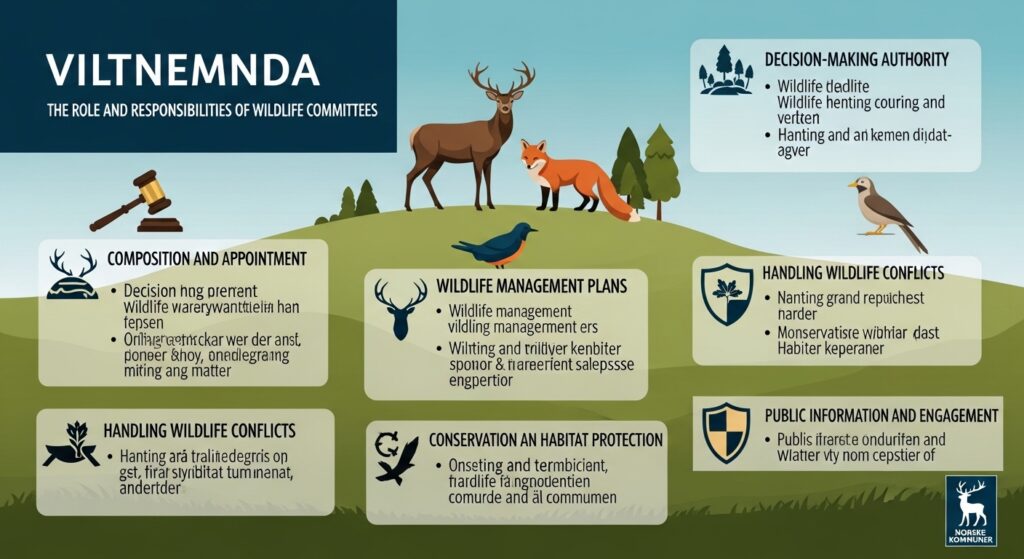
When it comes to maintaining the delicate balance of our ecosystems, few entities play as critical a role as Viltnemnda. These wildlife committees are at the forefront of managing and safeguarding our natural heritage. But what exactly does this entail? As we delve deeper into their history, responsibilities, and future goals, it becomes clear that Viltnemnda is more than just a regulatory body; it’s a vital partner in conservation efforts across various regions. Join us on an exploration of how these committees impact wildlife management and why they matter now more than ever.
The History and Purpose of Wildlife Committees
Wildlife committees, or Viltnemnda, have a rich history rooted in the need for sustainable wildlife management. Established to address increasing concerns about biodiversity loss and habitat destruction, these groups brought together experts and local stakeholders.
The primary purpose of Viltnemnda is to create a balance between human activities and wildlife conservation. This involves assessing populations, monitoring habitats, and implementing strategies that protect species while allowing for responsible resource use.
Over the years, their role has evolved. Initially focused on hunting regulations, today’s committees tackle broader issues like climate change impacts and ecosystem restoration. They serve as crucial links between scientific research and community engagement.
By fostering public awareness around wildlife issues, Viltnemnda seeks not only to preserve nature but also to enhance coexistence between people and animals. Their work underscores the importance of collaboration in achieving lasting conservation efforts.
The Role of Viltnemnda in the Management of Wildlife
Viltnemnda plays a crucial role in the management of wildlife across various regions. These committees are responsible for creating policies that ensure sustainable interactions between humans and animals.
They conduct assessments to monitor populations and health of different species. This data helps in making informed decisions about hunting quotas and conservation efforts.
Moreover, Viltnemnda collaborates with researchers to track environmental changes impacting wildlife habitats. Understanding these dynamics is essential for effective management strategies.
Education also falls under their purview. They engage communities through workshops, promoting awareness about local fauna and ecosystems.
By balancing ecological needs with human activities, Viltnemnda strives to maintain biodiversity while respecting cultural practices associated with wildlife. Their work has lasting implications on both conservation efforts and community livelihoods.
Regulations and Policies Implemented by Viltnemnda
Viltnemnda plays a crucial role in establishing regulations that govern wildlife management. These guidelines are designed to ensure sustainable practices, balancing conservation needs with human interests.
One key area of focus is species protection. Viltnemnda sets quotas for hunting and fishing, aiming to prevent overexploitation while allowing for controlled use of resources.
In addition, policies around habitat preservation form an essential part of their framework. This includes protecting critical ecosystems from development and pollution.
Community engagement is another vital aspect of their regulatory approach. Viltnemnda actively involves local stakeholders in decision-making processes, promoting transparency and collaboration.
By enforcing these regulations effectively, Viltnemnda fosters a healthier environment for both wildlife and humans alike. Each policy reflects an ongoing commitment to preserving biodiversity while recognizing the importance of responsible resource utilization.
Collaboration with Local Communities and Stakeholders
Collaboration is vital for the success of Viltnemnda. Engaging local communities fosters a sense of ownership in wildlife conservation efforts. When residents participate, they gain valuable insight into their environment.
Working with stakeholders adds another layer of depth. Hunters, farmers, and environmental groups all have unique perspectives that can shape policies effectively. Their input helps balance the needs of wildlife with human activity.
Educational programs often arise from these collaborations. Workshops and outreach initiatives create awareness about sustainable practices among locals. This knowledge empowers communities to make informed decisions regarding wildlife preservation.
Trust-building is essential in these partnerships. Open lines of communication lead to shared goals and mutual respect between Viltnemnda and community members. Together, they can address concerns more efficiently while promoting biodiversity protection strategies that benefit everyone involved.
Challenges Faced by Viltnemnda
Viltnemnda faces a myriad of challenges that complicate wildlife management. One major hurdle is balancing human interests with ecological needs. Conflicts often arise between local communities, hunters, and conservationists.
Another significant challenge involves funding constraints. Limited resources can hinder research efforts and the implementation of effective programs for wildlife protection.
Climate change poses an additional threat, altering habitats and impacting animal migration patterns. Viltnemnda must adapt to these shifts while ensuring biodiversity remains intact.
Public perception also plays a role in their effectiveness. Misunderstandings about wildlife policies can lead to resistance from residents who may feel alienated or misinformed.
Invasive species continue to disrupt local ecosystems, necessitating quick action from Viltnemnda to mitigate their effects before they become overwhelming problems.
Advancements and Future Goals for Wildlife Conservation
Recent advancements in technology are transforming wildlife conservation efforts. Drones and remote sensing are providing unprecedented insights into animal habitats, behaviors, and migration patterns. This data allows Viltnemnda to make informed decisions that protect endangered species effectively.
Another exciting development is the rise of community-based conservation initiatives. Engaging local populations fosters a sense of ownership over natural resources. When communities participate actively, they become stewards of their environment.
Future goals for wildlife protection include enhancing biodiversity through habitat restoration projects. These initiatives focus on reforestation and wetlands preservation, vital for many species’ survival.
Increasing public awareness is also paramount. Educational programs aim to inspire younger generations about the importance of conserving wildlife.
As research continues to evolve, Viltnemnda can adapt strategies based on new findings and technologies, ensuring a more sustainable future for all wildlife species.
Conclusion
Viltnemnda plays a vital role in preserving our natural heritage. By managing wildlife populations and fostering sustainable practices, these committees ensure that both ecosystems and communities thrive. Their engagement with local stakeholders highlights the importance of collaboration in conservation efforts.
As challenges continue to emerge, such as habitat loss and climate change, the commitment of Viltnemnda remains crucial. Looking ahead, their focus on innovative strategies will be essential for effective wildlife management. With ongoing support from communities and advancements in technology, the future holds promise for healthier wildlife populations.
Understanding the significance of Viltnemnda encourages us all to take part in protecting our environment. Together, we can foster a deeper appreciation for biodiversity and contribute to meaningful conservation initiatives.